
 EN
EN



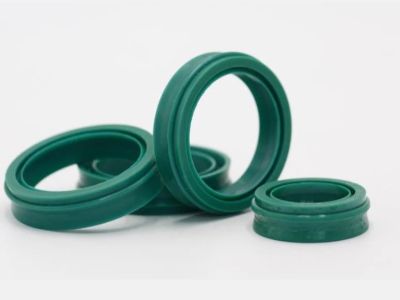
When working with machines that use hydraulic systems, having the right seal is super important. A high-pressure hydraulic seal keeps fluids from leaking out, which helps machines work better and last longer. If a seal doesn't do its job right, it can cause big problems like machinery breaking or not working at all. That's why choosing the right seal is a key part of engineering for hydraulic systems. Boman is dedicated to providing seals that meet tough standards and help your machines run smoothly.
How to Choose the Best High-Pressure Hydraulic Seal for Your Needs?
Choosing the right high-pressure hydraulic seal can feel tricky, but it doesn’t have to be! First, you need to know the type of fluid that will flow through the system. Different fluids can cause seals to wear out faster, so it’s important to match the seal material to the fluid. For example, if you are using oil, a rubber seal might work just fine. However, if you are using something like water or chemicals, you might need a different material that resists corrosion. Next, think about the pressure levels that your machine will face. High-pressure situations need stronger seals that can handle the stress without breaking. It's like choosing the right shoes for a race; you wouldn’t wear flip-flops to run a marathon! Besides that, check the size of the seal. It needs to fit perfectly in the space provided. A seal that is too big or too small will not work well and can lead to leaks. Lastly, consider the temperature at which the seal will work. Extreme heat or cold can change how a seal performs. Make sure to choose a seal that can handle the temperatures in your machine. Boman offers a variety of high-pressure hydraulic seals designed to meet these diverse needs, ensuring durability and performance in various conditions.
Where to Find Wholesale High-Pressure Hydraulic Seals at Competitive Prices?
Finding wholesale high-pressure hydraulic seals at good prices is easier than you might think. Start by looking online for suppliers that specialize in hydraulic seals. Websites that focus on industrial parts often have a wide selection to choose from. Boman has a great online catalog where you can find different types of seals for various applications. When you find a few options, compare prices. Some places might offer discounts for bulk orders, which can save you money if you need several seals at once. Don’t forget to check customer reviews! Reading what others have to say can help you find a reliable supplier. Local industrial supply stores might also carry seals, and you can often talk to someone who can help you choose the right one. Building a relationship with your suppliers can lead to better deals in the future. Sometimes, they might even have special offers just for loyal customers. Lastly, think about trade shows or industrial fairs. These events can be a goldmine for finding good deals while also letting you see the products in person. Boman often participates in such events, allowing you to connect directly with experts who can answer your questions and help you find what you need.
What Common Usage Issues Should You Consider with Hydraulic Seals?
When using hydraulic seals, it’s important to know that they can face some common problems. First, the seal might wear out too quickly. This can happen because of high pressure or if the fluid inside is too hot. When seals wear out, they can leak. A leak can cause the machine to work less well and can waste the hydraulic fluid. Also, if the seal is not the right size, it may not fit well. If it’s too big or too small, it can create gaps where fluid can escape. Another issue is dirt and dust. If dirt gets into the hydraulic system, it can scratch or damage the seal. This can lead to leaks as well. It’s also crucial to think about the type of fluid you are using. Some fluids can harm the seal material, causing it to break down faster. Boman seals are designed to resist many types of fluids, but you still need to check that the fluid you use is safe for your seal. Lastly, temperature changes can affect the seals**,** too. If it gets too hot or too cold, the seals can become stiff or lose their shape, leading to problems. Understanding these issues can help you choose and take care of your hydraulic seal better.
How to Ensure Optimal Performance of High-Pressure Hydraulic Seals?
To make sure your high-pressure hydraulic seals work at their best, you need to follow some important steps. First, always choose the right seal for your machine. Boman offers a variety of seals that can handle different pressures and temperatures. Picking the right one helps avoid leaks and keeps everything running smoothly. Next, make sure the seal is installed properly. If it is not installed correctly, it can wear out faster or even break. Take your time during installation and follow the instructions carefully. It’s also a good idea to check the pressure levels. Too much pressure can be harmful to the seals. Make sure your hydraulic system is working within the right pressure range. Regular maintenance is another key step. Check your seals often for signs of wear and tear. If you notice any problems, it’s better to replace the seal sooner rather than later. You should also keep the hydraulic fluid clean. Change the fluid regularly to remove dirt and other particles that can damage the seals. Using filters can help keep the fluid clean and safe for the seals. Finally, consider the temperature of your system. High temperatures can make seals wear out quickly, so try to keep things cool. Following these tips will help ensure that your high-pressure hydraulic seal strips perform well for a long time.
How to Troubleshoot Common Issues with High-Pressure Hydraulic Seals?
If your high-pressure hydraulic seals are not working well, it’s important to troubleshoot the problems. Start by checking for leaks. If you see fluid around the seal, it could mean that the seal is worn out or damaged. You can often tell if a seal is worn out by looking for cracks or deformities. If you find a problem, replace the seal with a new one from Boman to stop the leak. Another common issue is pressure loss. If your machine is not working as well as it should, check the pressure gauge. If the pressure is lower than it should be, there might be a problem with the seal. Make sure it’s installed correctly and that it’s the right size. If everything looks good, check the whole system for other leaks or blockages. You can also monitor the temperature of the hydraulic fluid. If it’s too hot, it can cause the seals to fail. Cooling systems or heat shields can help manage high temperatures. Lastly, if you notice unusual noises or vibrations coming from the machine, it could indicate a problem with the seals. Listen carefully and investigate if something doesn’t sound right. By following these troubleshooting tips, you can identify and fix issues with your high-pressure hydraulic seals, ensuring your machinery continues to work efficiently.
Table of Contents
- How to Choose the Best High-Pressure Hydraulic Seal for Your Needs?
- Where to Find Wholesale High-Pressure Hydraulic Seals at Competitive Prices?
- What Common Usage Issues Should You Consider with Hydraulic Seals?
- How to Ensure Optimal Performance of High-Pressure Hydraulic Seals?
- How to Troubleshoot Common Issues with High-Pressure Hydraulic Seals?