
 EN
EN



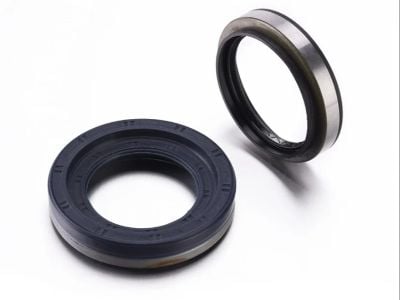
Car door rubber seals are important components that help keep noise and water out of vehicles. They are attached to the door to ensure a tight seal. To make sure they perform well, it is important to consider the strength of the adhesive that holds these seals in place. At Boman, we understand how essential strong adhesives are for automotive door seals. This article explores the factors that influence bond strength and explains how to evaluate whether the adhesive is performing properly.
What Factors Influence the Bond Strength of Car Door Rubber Seal Adhesives?
Several factors can affect how strongly an adhesive bonds a rubber seal to a car door. First, the type of adhesive used is extremely important. Different adhesives are formulated for different materials and environmental conditions. For example, some adhesives are designed to perform well in extremely hot or cold temperatures. If the wrong adhesive is used, the bond may fail, causing the car door rubber seal to loosen or detach.
Surface preparation is another critical factor. If the car door or the rubber seal is dirty, oily, or dusty, the adhesive will not bond effectively. Thoroughly cleaning both surfaces before applying the adhesive is essential. Even small dust particles can reduce bond strength.
The temperature during application also plays a major role. If the environment is too hot or too cold, the adhesive may not cure properly. It may harden too quickly or too slowly, resulting in a weaker bond.
Curing time is equally important. After the adhesive is applied, it needs sufficient time to fully cure and develop maximum strength. If the vehicle is used before the adhesive has completely cured, the bond may be compromised.
Finally, the type of rubber material used for the seal also affects bonding performance. Different rubber compounds react differently to various adhesives. Choosing an adhesive that is specifically designed for the seal material is essential for achieving a durable bond.
At Boman, we carefully consider all of these factors to ensure our adhesive products provide reliable, long-lasting performance.
How to Evaluate Adhesive Performance for Car Door Rubber Seals?
Evaluating adhesive performance is essential to ensure car door rubber seals remain securely attached. One common method is the peel test. In this test, the adhesive is applied between the door rubber seal and the door, allowed to cure fully, and then the seal is pulled away. The amount of force required to remove the seal indicates the bond strength.
Another important evaluation method is the shear test. This measures how well the adhesive resists forces applied parallel to the bonded surfaces. Since car doors experience movement and vibration from different directions, strong shear strength is essential for long-term durability.
Temperature testing is also critical. Automotive door seals are exposed to a wide range of weather conditions, so adhesives should be tested in both high and low temperatures to verify consistent performance.
At Boman, we perform these laboratory tests to ensure our adhesives meet the highest quality standards. In addition, we conduct real-world vehicle testing by installing our products in actual vehicles and monitoring their long-term performance. This allows us to confirm that our adhesives can withstand everyday driving conditions throughout the vehicle's service life.
In summary, evaluating adhesive performance involves thorough testing under multiple conditions. Boman is committed to delivering strong, dependable adhesives for automotive door rubber seals.
What Are the Benefits of Strong Bonding in Car Door Rubber Seals?
Strong bonding provides many important benefits for automotive window and door seals. First, it protects the vehicle interior from rain, dust, wind, and road noise. A strong bond prevents water from entering the cabin, helping keep the interior dry and comfortable. If the bond weakens, water leaks can damage upholstery, create rust, and encourage mold growth, resulting in expensive repairs.
Another major benefit is noise reduction. Vehicles generate noise from the engine, tires, wind, and surrounding traffic. Properly bonded rubber seals create a tight barrier that significantly reduces outside noise. This allows passengers to enjoy conversations, music, and a more comfortable driving experience.
Strong bonding also improves vehicle safety. If a rubber seal becomes loose while driving, it can affect visibility, weather protection, and overall vehicle performance. A secure adhesive bond ensures the seal remains firmly attached throughout the vehicle's lifespan.
Additionally, properly bonded seals improve climate control efficiency by preventing unwanted air leaks. This helps heating and air conditioning systems maintain the desired cabin temperature more efficiently, reducing energy consumption and improving passenger comfort.
Boman manufactures adhesives specifically designed for automotive garage brush door seal, providing durable, long-lasting bonds that help protect vehicles from weather, noise, and premature wear. Strong bonding is essential for comfort, safety, and extending the overall lifespan of the vehicle.
Where to Source Reliable Suppliers of Car Door Rubber Seal Adhesives?
Finding a reliable supplier for automotive rubber seal adhesives is important for maintaining vehicle quality and performance. One of the easiest ways to begin is by searching online. Many manufacturers provide detailed product information on their websites. Reading customer reviews can also help determine whether a supplier consistently delivers high-quality products and reliable service.
Recommendations from mechanics, automotive professionals, friends, or family members can also be valuable. Experienced technicians often know which adhesive brands perform best because they use them regularly.
Local automotive parts stores and hardware retailers may also carry suitable adhesives. Speaking directly with knowledgeable staff can help you choose the right product for your specific application. Seeing the products in person also allows you to compare different options more easily.
Boman is an excellent choice for high-quality automotive door rubber seal adhesives. We offer a wide range of products designed to deliver strong, durable, and reliable bonding performance. Our adhesives are available through various distributors, both online and in retail stores.
Choosing a supplier with a strong reputation, dependable customer service, and proven product quality helps ensure your automotive window and door seals perform effectively for years to come.
How to Troubleshoot Common Problems with Car Door Rubber Seal Adhesives?
Occasionally, problems can occur with automotive rubber seal adhesives. Knowing how to troubleshoot these issues can help prevent larger repairs.
One common problem is the rubber seal beginning to separate from the vehicle. This often happens if the adhesive was applied incorrectly or if the original bond has weakened. If you notice the seal lifting, first clean both bonding surfaces thoroughly using rubbing alcohol or another suitable cleaner to remove dirt, grease, and old adhesive residue.
After cleaning, apply a fresh layer of Boman adhesive according to the manufacturer's instructions. Avoid applying excessive adhesive, as too much can reduce bonding effectiveness and create unnecessary mess. Press the seal firmly into place and allow the adhesive to cure completely before using the vehicle.
Water leaks are another common issue. If water enters the vehicle, inspect the rubber seal carefully for cracks, gaps, or tears. If the seal itself is damaged, replacing it is usually the best solution. Use a high-quality replacement seal along with Boman adhesive to ensure a secure installation.
If excessive wind noise develops while driving, inspect the seal for wear, deformation, or improper alignment. Sometimes repositioning the seal is enough to restore proper sealing performance. If necessary, remove and reinstall the seal using fresh adhesive.
If the adhesive repeatedly fails to bond properly, poor surface preparation is often the cause. Always make sure both bonding surfaces are completely clean, dry, and free of contaminants before applying adhesive. Proper preparation greatly improves bond strength and long-term durability.
Table of Contents
- What Factors Influence the Bond Strength of Car Door Rubber Seal Adhesives?
- How to Evaluate Adhesive Performance for Car Door Rubber Seals?
- What Are the Benefits of Strong Bonding in Car Door Rubber Seals?
- Where to Source Reliable Suppliers of Car Door Rubber Seal Adhesives?
- How to Troubleshoot Common Problems with Car Door Rubber Seal Adhesives?