
 EN
EN



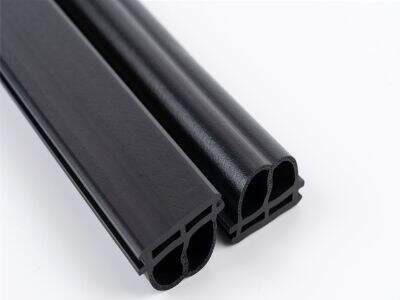
EPDM Rubber Strips are common in many industries as they can withstand brutal conditions. The strips are composed of a variety of synthetic rubber that is resistant to more than just sprays. The people at Boman know how to make these things strong and reliable. They’re excellent for sealing, protecting and insulating parts in machines and buildings. What sets EPDM rubber apart is the way that it responds to various chemicals. Some rubbers turn soft or crack when they come into contact with oils or acids, but EPDM maintains its shape and strength. This keeps machines in motion longer and more safely. Our knowledge here at Boman is that the correct rubber will save you time and money in the long run with less repairs. EPDM rubber seal strips are long lasting and still keeps going even when used in rough areas.
Key Chemical Resistance Properties of EPDM Rubber Strips for Industrial Usage
EPDM rubber strips have special characteristics that make them resistant to a large group of chemicals. There are a few big reasons, one being their molecular design: They prevent many toxic substances from simply getting inside the rubber. Indeed, EPDM is extremely resistant to acids, alkalis and oxygen. This is helpful because if you put these rubber sealing strips in any of the places that are going to come into contact with cleaning fluids or battery acid, they won’t wear out as quickly. At Boman, we ensure that each strip can handle these challenges through high-level materials and carefully formulated processes. But every chemical isn’t like every other. EPDM doesn’t play nice with the oils or gasoline, as it can cause the rubber to swell or erode over time. This is why it all depends on how often you need to decide which materials to use for EPDM strips and when simply opting for another material.
Wholesale EPDM Rubber Strips How Can Withstand Chemicals
In wholesale marketplace, EPDM rubber strips are simultaneously required to have a fight against a number of chemicals. At Boman, we ensure that out strips are prepared for such use. Rubber that remains reliable even when it comes in contact with oils, acids and cleaning agents during storage, transport and handling is of interest for those “where wholesale purchasers are concerned,” the decision said. EPDM strips work well here, because they don’t dissolve readily when hit with water or steam. For instance, in warehouses, humidity can cause many materials to become weak; however, EPDM strips maintain their strength. These Extrusion Rubber Strip are occasionally sprayed with disinfectant, or some other chemical and maintain their integrity. What we learn is that how the strips are formed also counts.
What Chemicals Can EPDM Rubber Strips Resist Well in Production?
EPDM rubber strips are so widely used in factories and workshops due to their excellent resistance from various harmful chemicals. EPDM is, by the way, an abbreviation for Ethylene Propylene Diene Monomer, a particular type of synthetic rubber. This rubber is unique in that, when it comes into contact with specific chemicals, it isn’t easily damaged. Many substances can harm materials in the manufacturing world, but EPDM rubber strips are resistant to a wide range of them. For instance, EPDM is also highly resistant to acids such as sulfuric acid and nitric acid that are frequently used in cleaning and other industrial processes. It is also resistant to bases and alkaline substances that are typically present in detergents and cleaning agents.
Selecting EPDM Rubber Strips with the Best Chemical Resistance for Bulk Orders
When businesses need to purchase a lot of EPDM rubber strips, they will want to be sure that they select the best possible strips. Because when you buy in bulk, there’s a lot of them and they are subjected to everything from chemicals and temperature extremes! Boman assists customers with tested and designed EPDM rubber strips that resist certain chemicals. In order to make the best choice, buyers should know what types of chemicals the strip is going to come into contact with in their work.