
 EN
EN



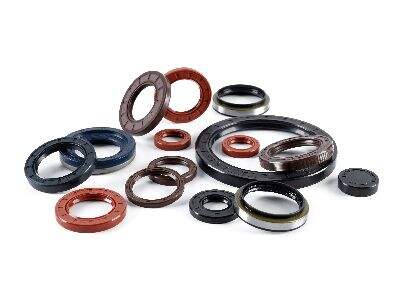
Oil seals are the small but necessary parts of a machine. They retain oil inside and prevent dirt from entering. A bad oil seal lets the car down so quickly and so completely. Oil may gush, parts can break, and machines could grind to a halt. Here at Boman we understand that it can be a hard thing to do early on: Finding out why an oil seal leaks. If you solve the problem, the oil seal will last longer, and the machine will perform better. So let’s discuss where you should be looking for trouble, and what will take an oil seal out quickly. This can save you a lot of time, money and keep your heavy equipment working strong
Where to Check for Root Causes of Oil Seal Leak in Heavy Equipment
If an oil seal begins leaking prematurely, the places for trouble are a good place to start. Heavy machinery contains a host of parts, but certain areas are more prone to causing trouble with an oil seal. Begin by examining the shaft where the seal rests. If the shaft is pitted, rough or non-glazed, the seal won’t perform its purpose well. That’s like trying to keep water in a cup with holes, and that’s essentially what happens when the shaft is ruined. Sometimes at Boman, we see shafts that are fine from a distance, but when you look closely there are little scratches. This wears out the seal quickly from these scratches
Then, confirm whether the packing is installed properly. At other times, the seal may be bent or torn if it is pushed on too forcefully or at an angle. That’s a way to make leaks happen really fast. And check the seal seat, the location inside the boiler where the seal sits. If it is dirty or uneven, the seal won’t form a tight fit and oil will seep out. It’s as though little thieves in there are stealing oil, a journey that is not unlike panning for gold or sifting flour
Don’t neglect the surroundings of the seal. Heavy equipment operates in dusty, muddy and wet locations. Dust or pebbles that end up near the seal can compromise it. Occasionally, the problem is not the seal or the shaft, but how a machine is used. For instance, the seal can wear out if the machine shakes so much or goes too fast. At Boman, we tell clients to rope in all these places with special care. It’s very much like being a detective, searching for clues that indicate why the seal is leaking
Causes of premature oil seal damage and how to avoid them
Oil seals also fail young for a variety of reasons. Some are due to the parts, some are due to how machines operate and some are caused by the way seals get made or installed. One big problem is heat. When a machine runs too hot, seals can become soft or cracked. This is similar to how rubber on a tire wear out if it’s left sitting in the sun too long. these machines have ventilation problems or block fan cases and we see things happening like the oil seals. It helps seals last longer if machines are kept cool
Dirt and Dust Another thing that can trigger it. Heavy machinery operates in challenging environments. Dust will adhere to the seal, and it wears away, like sandpaper rubbing a surface. If seals are not cleaned or protected from the environment, this damage occurs even more quickly. Plus, the oil seals are of unsuitable material for the job and fail early. Certain seals will have to work with chemicals or boiling hot oil. When the seal’s material is dilute, it breaks early. That’s why Boman is so selective about the seal materials he chooses to fit the machine
Many leaks also are the result of installation errors. If a seal is forced in too hard or with the wrong tools, it bends or tears. Any nick near the seal edge and oil leaks out. At Boman, laborers are taught to fit seals carefully and to use special tools so the seal is not injured
Finally, machine movement matters. When shafts wobble or run long distances, seals wear down. This can occur if bearings are bad or parts are loose. Addressing those issues prevents housing seals from failing prematurely. Early failure can be avoided if you are on alert for heat, dirt, material selection, installation and movement. Boman’s experience is that paying attention to these things can make seals last far longer. It’s not only about fixing the leaks but also preventing them before they occur
I’m a Bulk Buyer or Distributor, What Should I Do
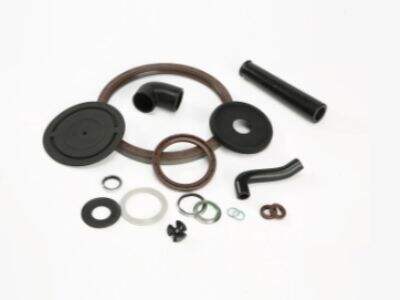
Buying oil seals in bulk, it is crucial to learn how they can be selected properly and their quality checked. For those who purchase and sell a lot of oil seals, having this information to hand can prevent a whole heap of pain later. At Boman, we care to ensure that you make a smart choice so that you have the best oil seals which are durable and efficient. they are worth to have a try! First of all, it is very important for customers to check the size and shape of the oil seals you need. Oil seals are available in different sizes, and fitting the wrong size can make leaks occur too soon. Ensure that the seals meet perfectly with the components on to which they will be placed. Also inquire from where the oil seals are made. As with many things, there are reasons to use one or the other, different materials are better in different conditions such as the proximity of the seal to heat, oil or dirt. Boman oil seals are produced meticulously to withstand numerous demanding environments. When purchasing in bulk, it’s also a good idea to ask for samples to test with before you buy a lot. Testing makes you aware if the seals will work fine with your machines. Lastly, monitor the storage of the oil seals before utilized. Oil seals should be stored in clean, dry areas where they are no exposed to sunlight and dust. Poor storage can adversely affect the seals, making them weak and causing leaks sooner. These are just a couple of examples of easy precautions that bulk buyers and distributors can take to ensure that they receive quality oil seals for their products, which help machines run smoothly and last longer
Common Causes of Oil Seal Leaks and How to Diagnose Them
Oil seals prevent oil from seeping out of the space between moving parts, but sometimes they fail too soon. It is referred to as an early oil seal seapage. It can occur due to a variety of common machine issues. One thing that can go wrong is inserting the oil seal inside out. If the seal is not adequately positioned, it cannot do a proper job of containing the oil. To verify this, inspect where the seal sits during installation and it should sit facing in the proper direction as it is with Boman’s instructions. Another issue is the incorrect size of seal. If the seal is too large or small it won’t fit as tightly, and oil can seep through. Taking the seal and parts into consideration, it could be helpful to test beforehand. Dirt and dirt can lead to oil seal leaks. When grime finds its way in between the seal and the shaft, it can cause the seal to wear out more quickly. To fix this, check the seal and cover for dirt or damage. If you observe any scratches or cracks, the seal may require cleaning or replacement. Other times it’s caused by the oil seal where with hilt incomplete machine parts or edges. These rough spots can slice or nick the seal. You can confirm this by inspecting the shaft or housing where the seal rides. If there are rough spots correcting them can end your leaks. Finally, applying the wrong oil or lubricant can weaken the seal. Some oils can even rapidly degrade the seal material. Looking at the kind of oil used and making it correspond with oils that Boman recommends can prevent this. Once you understand these typical problems and where to look for them, you can help prevent premature oil seal leaks and keep machines performing at a high level
Oil seal Material and Oil Leak Prevention for Wholesale Buyer, Learn More About It
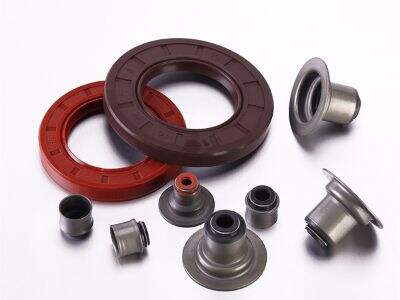
What Is Material of Construction Of Oil Seals For the Wholesaler The material for oil seals is an important factor for wholesale buyers. It is the material that will determine how long your seal will last and when it will stop leaks. At Boman, we’ve got different materials mixing in our oil seals to ensure that they function in a wide variety of machines and environments. A common one is rubber, which is flexible and can be pressed tightly together to stop oil from leaking. But all rubber is not created equally. Some rubbers are better for hot spots while others withstand oil or chemicals better. Wholesale buyers should find out which rubber is best for them. Silicone is another material used that works well in extreme hot or cold temperatures. Silicone gaskets remains intact when the temperature fluctuates often. This helps prevent leaks in areas where machines can get extremely hot or cold. Boman tries to provide seals with various materials so that buyers can find the right one. In addition, some seals are made up of extra layers or treated with special coatings to shield them against dirt, heat or wear. These added protections lead to longer-lasting leak prevention. If anyone is purchasing from Boman, One should definitely seek with these Special features. Carefully handling and storing the oil seals are also important to avoid leaks. By keeping them out of sunlight and free from dust and sharp objects, the material maintains its strength. Correct tools to install the seals are also important. If a seal is pushed in too hard or bent during installation, it can be harmed and begin leaking before long. Boman also offer clear installation guidace and tech help to make sure buyers can install the seals correctly. Wholesale customers can learn about the materials, and how to best take care of them, that are in what they buy from an oil absorbent wholesale supplier, ensuring that their purchase is optimized and their customers avoid expensive oil leaks
Table of Contents
- Where to Check for Root Causes of Oil Seal Leak in Heavy Equipment
- Causes of premature oil seal damage and how to avoid them
- I’m a Bulk Buyer or Distributor, What Should I Do
- Common Causes of Oil Seal Leaks and How to Diagnose Them
- Oil seal Material and Oil Leak Prevention for Wholesale Buyer, Learn More About It